What is AI‑Driven App Development?
Introduction
The way applications are designed, built, and improved has changed dramatically over the last decade. From simple static software to cloud‑based platforms and now intelligent systems, application development continues to evolve. One of the most significant transformations in this space is AI‑driven app development. It is not just a trend or a buzzword—it is a fundamental shift in how software understands users, adapts to behavior, and delivers smarter experiences.
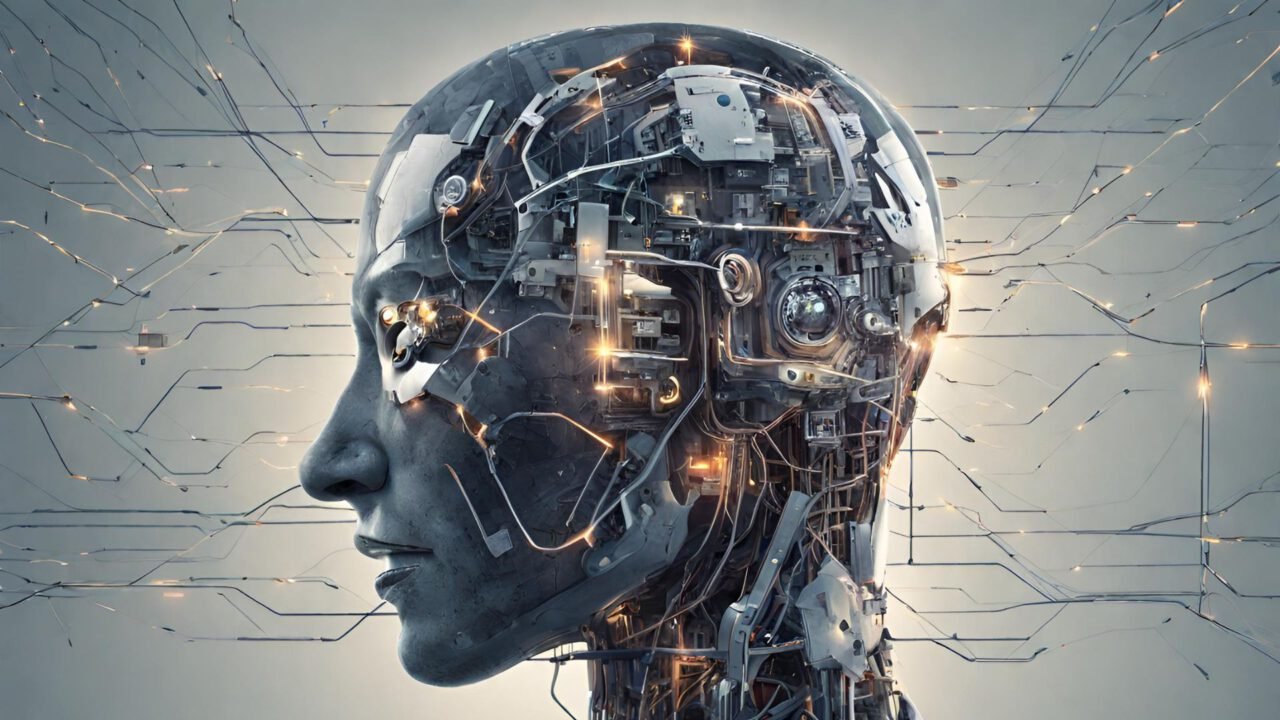
AI‑driven app development refers to the integration of artificial intelligence technologies into the application development lifecycle to create apps that can learn, predict, automate, and improve over time. These applications are capable of making decisions, personalizing content, and optimizing processes without constant human intervention.
In this blog, we will explore what AI‑driven app development is, how it works, the technologies behind it, real‑world use cases, benefits, challenges, and why it represents the future of mobile and web applications.
Understanding AI‑Driven App Development
AI‑driven app development is the process of designing and building applications that leverage artificial intelligence algorithms and models to perform tasks traditionally requiring human intelligence. These tasks include learning from data, recognizing patterns, understanding natural language, predicting outcomes, and automating decisions.
Unlike traditional apps that follow predefined rules and logic, AI‑powered applications continuously improve by learning from user interactions, system data, and external inputs. This makes them more adaptive, responsive, and intelligent over time.
For example, a traditional e‑commerce app may display the same product list to every user. An AI‑driven app, on the other hand, can analyze user behavior, preferences, purchase history, and browsing patterns to recommend products uniquely tailored to each individual.
How AI‑Driven Apps Differ from Traditional Apps
To better understand AI‑driven app development, it is helpful to compare it with traditional application development.
Traditional apps operate on fixed logic. Developers write explicit rules that define how the app behaves under specific conditions. If a new feature or improvement is needed, the code must be manually updated.
AI‑driven apps, however, rely on data and learning models. Instead of hard‑coded instructions, these apps use algorithms that learn from experience. As more data becomes available, the app’s performance improves without rewriting large portions of code.
Key differences include:
Adaptability: AI apps evolve with user behavior, while traditional apps remain static unless updated.
Personalization: AI enables dynamic, user‑specific experiences.
Automation: AI reduces manual intervention by automating decision‑making.
Prediction: AI apps can forecast user needs and system outcomes.
Core Technologies Behind AI‑Driven App Development
AI‑driven applications are built using a combination of advanced technologies. Each plays a unique role in making apps intelligent
and responsive.
Machine Learning (ML)
Machine learning allows applications to learn from data without being explicitly programmed. ML models analyze historical data to identify patterns and make predictions. For example, recommendation systems in streaming apps use machine learning to suggest content based on user preferences.
Deep Learning
Deep learning is a subset of machine learning that uses neural networks with multiple layers. It is particularly effective for image recognition, speech processing, and complex pattern detection. Facial recognition, voice assistants, and real‑time translation rely heavily on deep learning.
Natural Language Processing (NLP)
NLP enables applications to understand, interpret, and generate human language. Chatbots, voice assistants, sentiment analysis tools, and text summarization features are all powered by NLP. This technology allows apps to interact with users in a more natural and conversational way.
Computer Vision
Computer vision enables applications to analyze and interpret visual data such as images and videos. AI‑driven apps use computer vision for facial recognition, object detection, document scanning, and augmented reality features.
Predictive Analytics
Predictive analytics uses AI models to forecast future outcomes based on historical data. This is widely used in finance apps, healthcare platforms, and business intelligence tools to anticipate trends and make informed decisions.
The AI‑Driven App Development Lifecycle
AI‑driven app development follows a lifecycle that differs slightly from traditional software development due to its data‑centric nature.
1. Problem Definition
The first step is identifying where AI can add value. Not every feature needs artificial intelligence. Developers and businesses must define clear objectives, such as improving personalization, automating support, or predicting user behavior.
2. Data Collection
Data is the foundation of AI. Apps collect data from user interactions, sensors, transactions, and external sources. High‑quality, relevant, and diverse data is essential for building accurate AI models.
3. Data Processing and Preparation
Raw data is cleaned, structured, and labeled before being used for training AI models. This step ensures the data is free from inconsistencies and biases.
4. Model Training
Machine learning models are trained using prepared datasets. During this phase, algorithms learn patterns and relationships within the data. The models are tested and refined to improve accuracy.
5. Integration into the App
Once trained, AI models are integrated into the application. This allows the app to make predictions, automate tasks, and respond intelligently to user inputs.
6. Continuous Learning and Improvement
AI‑driven apps continuously collect new data and retrain models. This ensures the app remains accurate, relevant, and up‑to‑date as user behavior evolves.
Key Features of AI‑Driven Applications
AI‑powered applications share several defining characteristics that set them apart from conventional apps.
Personalization
AI enables apps to deliver personalized content, recommendations, and experiences. Whether it is a news app curating articles or a fitness app tailoring workouts, personalization increases user engagement and satisfaction.
Automation
AI automates repetitive and time‑consuming tasks such as customer support, data entry, and scheduling. This improves efficiency and reduces operational costs.
Intelligent Decision‑Making
AI‑driven apps analyze large volumes of data to make informed decisions in real time. This is especially valuable in industries like finance, healthcare, and logistics.
Predictive Capabilities
By identifying patterns in data, AI apps can predict future outcomes, such as user churn, demand fluctuations, or maintenance requirements.
Real‑World Use Cases of AI‑Driven App Development
AI‑driven app development is transforming multiple industries. Below are some prominent use cases.
Healthcare
AI‑powered healthcare apps assist in disease detection, patient monitoring, and personalized treatment plans. They analyze medical data to provide faster and more accurate insights for doctors and patients.
Finance and Banking
In fintech, AI is used for fraud detection, credit scoring, investment recommendations, and chatbots for customer support. These apps enhance security and improve user trust.
E‑Commerce
AI‑driven e‑commerce apps use recommendation engines, dynamic pricing, and demand forecasting to increase sales and improve customer experience.
Transportation and Mobility
Ride‑sharing and mobility apps use AI for route optimization, demand prediction, and dynamic pricing. Electric vehicle platforms also leverage AI for battery optimization and predictive maintenance.
Education
AI‑powered learning apps provide personalized learning paths, adaptive assessments, and real‑time feedback, making education more effective and accessible.
Benefits of AI‑Driven App Development
The adoption of AI in app development offers numerous advantages.
Enhanced User Experience
AI enables apps to understand user behavior and preferences, resulting in more intuitive and engaging experiences.
Improved Efficiency
Automation reduces manual effort and speeds up processes, allowing businesses to focus on strategic tasks.
Data‑Driven Insights
AI analyzes large datasets to uncover insights that would be difficult to detect manually. These insights support better decision‑making.
Scalability
AI‑driven apps can handle growing user bases and data volumes without significant performance issues.
Competitive Advantage
Businesses that adopt AI‑driven app development gain a technological edge by offering smarter and more innovative solutions.
Challenges in AI‑Driven App Development
Despite its benefits, AI‑driven app development comes with challenges.
Data Privacy and Security
AI applications rely heavily on user data, raising concerns about privacy and compliance with regulations.
High Development Costs
Building and maintaining AI models can be expensive, especially for small businesses.
Skill Requirements
AI development requires specialized skills in data science, machine learning, and AI engineering.
Bias and Ethical Concerns
AI models can inherit biases from training data, leading to unfair or inaccurate outcomes if not carefully managed.
The Future of AI‑Driven App Development
The future of AI‑driven app development is promising. As AI technologies continue to advance, applications will become even more intelligent, autonomous, and human‑like in their interactions.
Emerging trends include generative AI, low‑code AI platforms, voice‑first interfaces, and AI‑powered analytics embedded directly into applications. Businesses that invest in AI‑driven app development today will be better positioned to adapt to future technological shifts.
Conclusion
AI‑driven app development represents a major evolution in the way applications are built and experienced. By integrating artificial intelligence into the core of app development, businesses can create smarter, more adaptive, and highly personalized applications.
From improving user engagement to automating operations and enabling predictive insights, AI‑driven apps deliver tangible value across industries. While challenges such as data privacy and development costs exist, the long‑term benefits far outweigh the limitations.
As AI continues to mature, AI‑driven app development will no longer be optional—it will become a standard approach for building modern, future‑ready applications.